
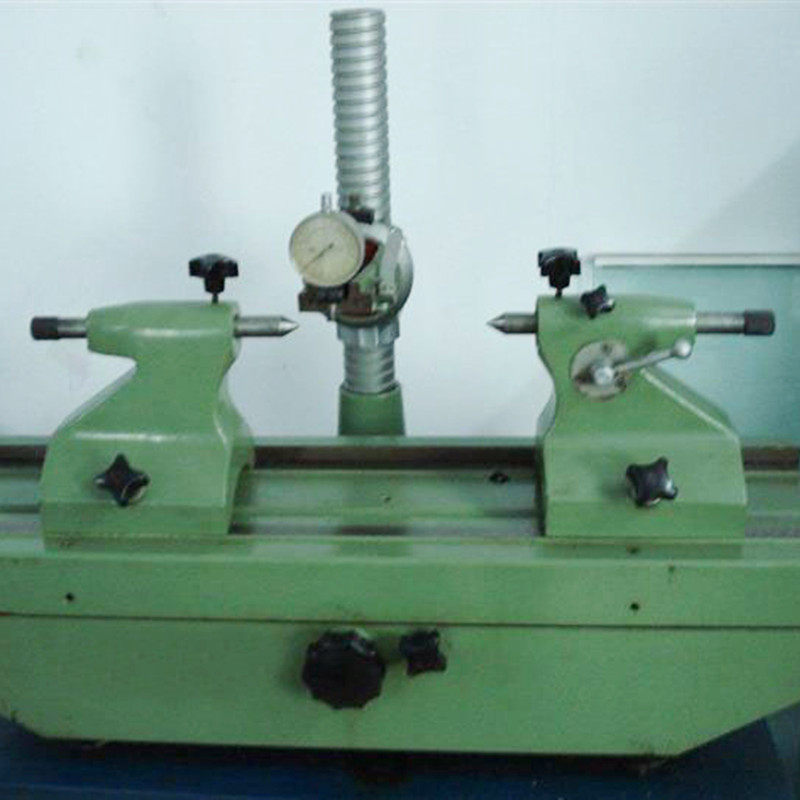
anti fog bathroom mirror
Understanding Taper Thread Plug Gauges A Comprehensive Overview In the world of manufacturing and engineering, precision is paramount. Taper thread plug gauges play a crucial role in ensuring that threaded components meet specific dimensional and functional criteria. This article aims to provide a detailed understanding of taper thread plug gauges, their significance, applications, and benefits. What is a Taper Thread Plug Gauge? A taper thread plug gauge is a precision tool used to check the dimensional accuracy of tapered threads. Tapered threads are commonly utilized in various applications, such as plumbing, hydraulic systems, and machinery assembly. The most internationally recognized taper thread specification is the National Pipe Taper (NPT) standard, which is used in the United States for creating a seal in piping systems. The taper thread plug gauge is designed to fit into the female taper thread to verify its specifications. It typically has two sides a go side and a no-go side. The go side is slightly larger, allowing it to fit into the acceptable thread, while the no-go side has a slightly reduced diameter, ensuring that threads that are out of specification cannot accommodate it. Importance of Taper Thread Plug Gauges 1. Quality Assurance Taper thread plug gauges are essential for quality control in manufacturing processes. They help manufacturers ensure that the threaded connections will provide a proper seal, reducing the risk of leaks and failures. 2. Interchangeability The use of taper thread plug gauges facilitates the interchangeability of parts. When all components conform to established standards, they can seamlessly replace one another, which is vital in maintenance and repair applications. 3. Efficiency in Production By using plug gauges, manufacturers can quickly and efficiently assess whether their products meet the required specifications, reducing production time and minimizing waste from rejected components. 4. Safety In high-pressure systems and critical applications, the integrity of threaded connections is vital for safety. Gauging ensures that any potential defects are caught before they lead to catastrophic failures. Applications of Taper Thread Plug Gauges Taper thread plug gauges are widely utilized across various industries taper thread plug gauge 1. Oil and Gas In the oil and gas industry, where high-pressure and tight-seal requirements are paramount, taper thread plug gauges are extensively used for ensuring the reliability of threaded connections in pipelines and equipment. 2. Manufacturing In general manufacturing, these gauges are used to check the dimensions of threaded components before they are assembled into larger systems, ensuring that they meet industry standards. 3. Aerospace The aerospace sector demands high precision; therefore, taper thread plug gauges play an integral role in verifying the integrity and accuracy of threaded connections in aircraft and spacecraft components. 4. Automotive In the automotive industry, where threaded parts are abundant, taper thread plug gauges are employed to maintain quality standards in the production of engines, transmissions, and hydraulic systems. Benefits of Using Taper Thread Plug Gauges 1. Increased Accuracy By regularly using taper thread plug gauges, manufacturers can consistently achieve a higher degree of precision in their threaded components. 2. Cost-Effectiveness While there is an initial investment in quality gauges, the long-term savings from reduced rework, improved product quality, and minimized downtime make them a cost-effective solution. 3. Streamlined Processes Gauges simplify the gauging process, enabling faster inspections and allowing manufacturers to maintain production schedules effectively. 4. Enhanced Competitiveness Companies that utilize taper thread plug gauges can improve their product reliability and quality, leading to increased customer trust and a stronger competitive position in the market. Conclusion Taper thread plug gauges are indispensable tools in industries that rely on precision-engineered threaded components. By ensuring the dimensional accuracy and integrity of taper threads, these gauges not only enhance product quality but also contribute significantly to operational efficiency and safety. As industries continue to evolve, the importance of maintaining rigorous quality control through tools like taper thread plug gauges will remain paramount.
about
anti fog bathroom mirror
The Importance of Steel Ground Anchors in Modern Engineering In contemporary construction and engineering projects, the significance of ground anchors cannot be overstated. Among the various types, steel ground anchors stand out for their structural integrity, durability, and adaptability across a wide range of applications. Whether in civil engineering, landscaping, or emergency rescue operations, steel ground anchors play a crucial role in ensuring stability and safety. Understanding Steel Ground Anchors Steel ground anchors are devices that are used to secure structures to the ground, preventing movement caused by external forces such as wind, soil settlement, or seismic activity. They are typically made from high-strength steel, providing a robust solution with high tensile strength and resistance to corrosion. Designed to transfer loads into the ground, these anchors are essential for securing a variety of structures such as buildings, towers, and retaining walls. Applications of Steel Ground Anchors 1. Civil Engineering In civil engineering projects, steel ground anchors are often employed to stabilize slopes and prevent landslides. They are used in the construction of deep foundations for bridges and buildings. These anchors are crucial during excavation, providing lateral support and maintaining the safety of the site. For example, during the construction of a high-rise building, engineers may use ground anchors to hold back soil and ensure the stability of adjacent structures. 2. Telecommunication and Energy Sectors Telecommunication towers and wind turbines are often anchored using steel ground anchors to withstand the forces of nature. The stability provided by these anchors is essential for ensuring the safety and functionality of communication networks and renewable energy sources . For instance, wind turbines must endure high winds; steel anchors prevent them from toppling over, thereby increasing their operational lifespan. steel ground anchors 3. Landscaping and Retaining Walls In landscaping, steel ground anchors are used to secure retaining walls and outdoor structures such as pergolas and fence systems. They help to prevent soil erosion and maintain the integrity of landscaping designs. By anchoring retaining walls, these structures can effectively hold back soil, protecting gardens and homes from potential damage. 4. Emergency and Rescue Operations Steel ground anchors are critical in emergency situations, especially in search and rescue operations. They can provide anchorage points for rescue lines or equipment, ensuring the safety of rescue workers. For instance, in situations involving collapsed structures, these anchors help to secure stable platforms for rescuers while they conduct their operations. Advantages of Steel Ground Anchors The choice of steel for ground anchors is primarily due to its many advantages. Steel ground anchors are known for their exceptional load-bearing capacity, high tensile strength, and excellent resistance to environmental factors like corrosion and UV radiation. Modern treatments and coatings can enhance the durability of these anchors, making them suitable for harsh weather conditions and varied soil types. Moreover, the installation of steel ground anchors is relatively straightforward. With specialized equipment, construction teams can quickly and efficiently install these anchors, reducing project timelines. This efficiency also translates into cost savings, as fewer materials and labor are required compared to alternative anchoring methods. Conclusion In conclusion, steel ground anchors are an indispensable component in the fields of construction and engineering. Their versatility, strength, and effectiveness in stabilizing structures make them a preferred choice for various applications. As construction practices and technologies continue to evolve, the role of steel ground anchors will undoubtedly expand, further contributing to the safety and durability of modern infrastructure. Engineers and construction professionals must continue to embrace innovative anchoring solutions to ensure that our built environment stands resilient against the forces of nature and time.
-

High quality industrial productsagement

High quality industrial products
View Details -

Meet the diverse needs of customers

Meet the diverse needs of customers
View Details -

Strict quality control

Strict quality control
View Details -

Top raw materials

Top raw materials
View Details -

Trusted supplier

Trusted supplier
View Details
Our application

news and information

Welding Fabrication Techniques for Efficient Metalworking Projects
Understanding Welding Fabrication A Comprehensive Overview Welding fabrication is an essential part
Vanne papillon à 4 % pour des applications industrielles et de contrôle de fluides efficaces
La Robinetterie Le Cas de La Papillon à Quatre Pourcents Les vannes sont des composants essentiels

water valve pressure
Effectively managing water systems at home or in industrial settings hinges on understanding the nua
 English